State law · statute quotes
Florida security deposit laws for landlords and property managers
The words of Florida's security deposit statute on each topic, quoted verbatim with pinpoint citations and links to the official source. No summaries, no interpretation.
Reviewed by Mark Shvaya, licensed California real estate broker (DRE #02243502), who uses ProFlow360 in a rental portfolio Mark manages
Last reviewed
Quoted on this page
- Deposit limit
- Returning the deposit
- Itemized statement
- Inspections and condition reports
- Photographs
- Normal wear and tear
- Interest
- Wrongful withholding
Fla. Stat. § 83.49
On this page
What this page covers
Florida's residential security deposit provisions quoted here come from Fla. Stat. § 83.49. Below are the statute's own words on 4 topics, each with a pinpoint citation and a link to the official text. This page does not summarize or interpret the law.
What does Florida law say about returning the deposit?
(a) Upon the vacating of the premises for termination of the rental agreement, if the landlord does not intend to impose a claim on the security deposit, the landlord must return the security deposit, together with interest if otherwise required, within 15 days after the termination of the rental agreement.
What does Florida law say about an itemized statement of deductions?
If the landlord intends to impose a claim on the deposit, the landlord must, within 30 days after the termination of the rental agreement, provide the tenant written notice by certified mail to the tenant’s last known mailing address or by e-mail in accordance with s. 83.505 of his or her intention to impose a claim on the deposit and the reason for imposing the claim.
What does Florida law say about interest on deposits?
(b) Hold the total amount of such money in a separate interest-bearing account in a Florida financial institution for the benefit of the tenant or tenants, in which case the tenant shall receive and collect interest in an amount of at least 75 percent of the annualized average interest rate payable on such account or interest at the rate of 5 percent per year, simple interest, whichever the landlord elects.
What does Florida law say about wrongful withholding?
If the landlord fails to give the required written notice within the 30-day period, he or she forfeits the right to impose a claim upon the security deposit and may not seek a setoff against the deposit but may file an action for damages after returning the security deposit to the tenant.
Not quoted on this page
deposit limit, inspections and condition reports, photographs, normal wear and tear. That does not mean Florida law is silent on them; other sections or local rules may apply. Read the full statute.
Has Florida's security deposit law changed recently?
From our review of the official history notes: History note ends: s. 3, ch. 2013-136; s. 2, ch. 2024-199; s. 2, ch. 2025-16. The current text references e-mail delivery 'in accordance with s. 83.505'. Effective dates of the 2024 and 2025 chapters were not read.
How does ProFlow360 help you document a Florida tenancy?
ProFlow360 records and organizes inspection evidence; it does not tell you what the statute requires or allows. What it records, for any state:
- Move-in, routine, pre-move-out and move-out inspections with photos timestamped at capture.
- Each move-out photo beside its move-in match, filed under the tenancy.
- Itemized lines with your classification, the amount you entered, and the estimate or invoice attached.
- An issued record that is sealed, shared by a link that expires and can be revoked.
Do this in ProFlow360
Keep the photos, the call and the invoice on the same line
Every deduction line carries the move-in and move-out photos, your classification and its documents, so the record can be followed by someone who was not there.
Kitchen · counter burn, left of range
Line 2 of 5 · TEN-0418
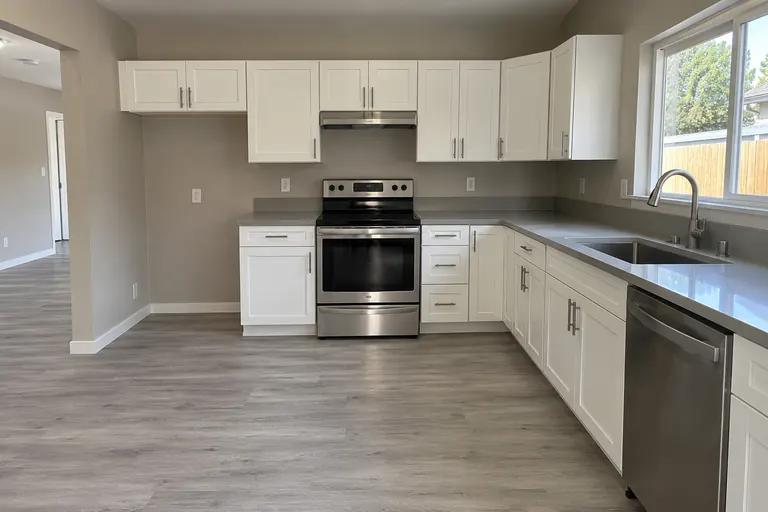 MI-21 · Jul 12, 2024
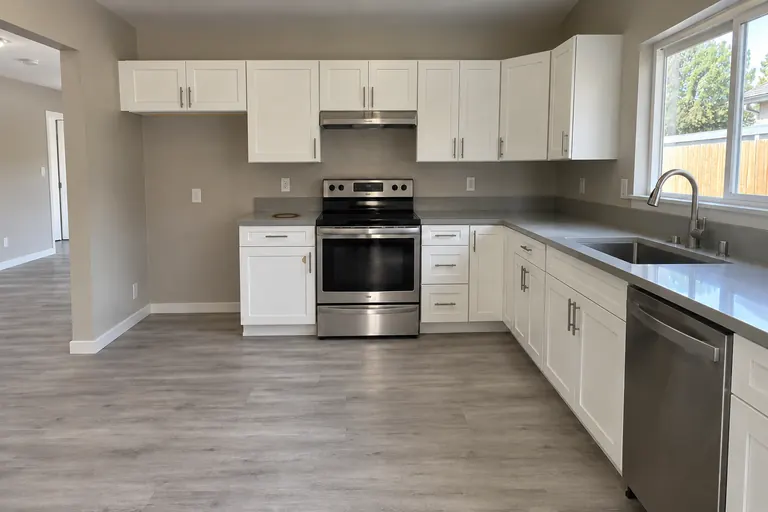 MO-29 · Sep 30, 2026
Security deposit statutes in nearby states
Sources
Sources checked October 16, 2026.
Start documenting condition properly
Create an account and run your next inspection with the evidence trail already in place. No card required to start.