State law · statute quotes
Pennsylvania security deposit laws for landlords and property managers
The words of Pennsylvania's security deposit statute on each topic, quoted verbatim with pinpoint citations and links to the official source. No summaries, no interpretation.
Reviewed by Mark Shvaya, licensed California real estate broker (DRE #02243502), who uses ProFlow360 in a rental portfolio Mark manages
Last reviewed
Quoted on this page
- Deposit limit
- Returning the deposit
- Itemized statement
- Inspections and condition reports
- Photographs
- Normal wear and tear
- Interest
- Wrongful withholding
Landlord and Tenant Act of 1951, § 511.1 (68 P.S. § 250.511a) · Landlord and Tenant Act of 1951, § 511.2 (68 P.S. § 250.511b) · Landlord and Tenant Act of 1951, § 512 (68 P.S. § 250.512)
On this page
What this page covers
Pennsylvania's residential security deposit provisions quoted here come from Landlord and Tenant Act of 1951, § 511.1 (68 P.S. § 250.511a), Landlord and Tenant Act of 1951, § 511.2 (68 P.S. § 250.511b), Landlord and Tenant Act of 1951, § 512 (68 P.S. § 250.512). Below are the statute's own words on 5 topics, each with a pinpoint citation and a link to the official text. This page does not summarize or interpret the law.
What does Pennsylvania law say about the amount of a security deposit?
No landlord may require a sum in excess of two months' rent to be deposited in escrow for the payment of damages to the leasehold premises and/or default in rent thereof during the first year of any lease. (b) During the second and subsequent years of the lease or during any renewal of the original lease the amount required to be deposited may not exceed one month's rent.
What does Pennsylvania law say about returning the deposit?
Every landlord shall within thirty days of termination of a lease or upon surrender and acceptance of the leasehold premises, whichever first occurs, provide a tenant with a written list of any damages to the leasehold premises for which the landlord claims the tenant is liable. Delivery of the list shall be accompanied by payment of the difference between any sum deposited in escrow, including any unpaid interest thereon
What does Pennsylvania law say about an itemized statement of deductions?
provide a tenant with a written list of any damages to the leasehold premises for which the landlord claims the tenant is liable. ... Nothing in this section shall preclude the landlord from refusing to return the escrow fund, including any unpaid interest thereon, for nonpayment of rent or for the breach of any other condition in the lease by the tenant.
What does Pennsylvania law say about interest on deposits?
Whenever any money is required to be deposited in an interest-bearing escrow savings account, in accordance with section 511.1, then the lessor shall be entitled to receive as administrative expenses, a sum equivalent to one per cent per annum upon the security money so deposited ... The provisions of this section shall apply only after the second anniversary of the deposit of escrow funds.
What does Pennsylvania law say about wrongful withholding?
Any landlord who fails to provide a written list within thirty days as required in subsection (a), above, shall forfeit all rights to withhold any portion of sums held in escrow ... If the landlord fails to pay the tenant the difference ... within thirty days after termination of the lease or surrender and acceptance of the leasehold premises, the landlord shall be liable in assumpsit to double the amount by which the sum deposited in escrow
Not quoted on this page
inspections and condition reports, photographs, normal wear and tear. That does not mean Pennsylvania law is silent on them; other sections or local rules may apply. Read the full statute.
Has Pennsylvania's security deposit law changed recently?
From our review of the official history notes: Official text shows § 511.1 and § 511.2 added Dec. 29, 1972, P.L.1698, No.363; § 512 added May 3, 1968, P.L.107, No.56, (a)-(c) amended Dec. 29, 1972. The only 2024 change in Article V is § 501(g) (added July 17, 2024, P.L.944, No.88), which concerns notice to quit for non-tenants, not deposits. No 2024–2026 amendment to §§ 511.1–512.
How does ProFlow360 help you document a Pennsylvania tenancy?
ProFlow360 records and organizes inspection evidence; it does not tell you what the statute requires or allows. What it records, for any state:
- Move-in, routine, pre-move-out and move-out inspections with photos timestamped at capture.
- Each move-out photo beside its move-in match, filed under the tenancy.
- Itemized lines with your classification, the amount you entered, and the estimate or invoice attached.
- An issued record that is sealed, shared by a link that expires and can be revoked.
Do this in ProFlow360
Keep the photos, the call and the invoice on the same line
Every deduction line carries the move-in and move-out photos, your classification and its documents, so the record can be followed by someone who was not there.
Kitchen · counter burn, left of range
Line 2 of 5 · TEN-0418
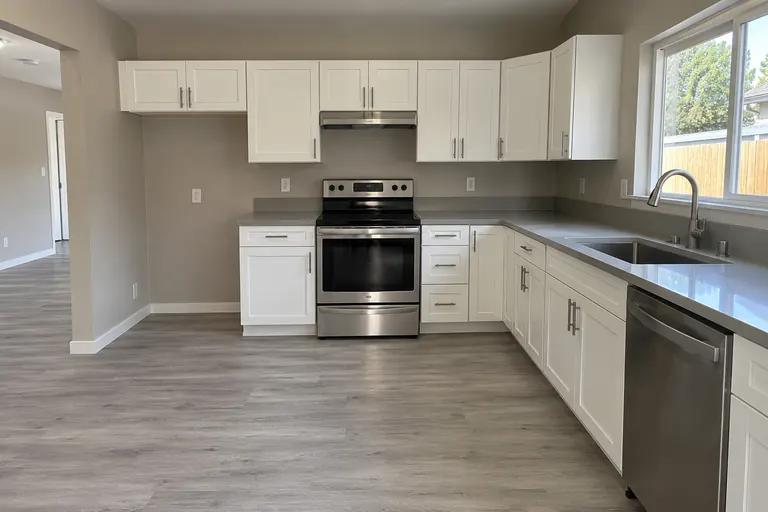 MI-21 · Jul 12, 2024
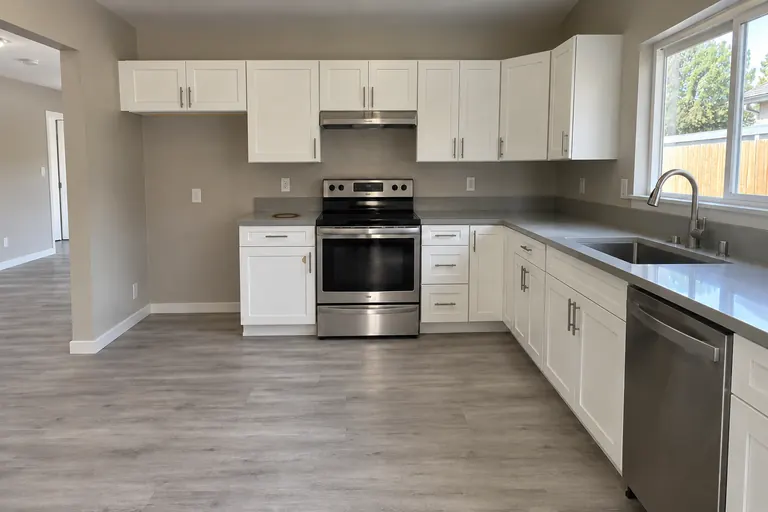 MO-29 · Sep 30, 2026
Security deposit statutes in nearby states
Sources
- 1.Landlord and Tenant Act of 1951, § 511.1 (68 P.S. § 250.511a): Escrow Funds Limited.
- 2.Landlord and Tenant Act of 1951, § 511.2 (68 P.S. § 250.511b): Interest on Escrow Funds Held More Than Two Years.
- 3.Landlord and Tenant Act of 1951, § 512 (68 P.S. § 250.512): Recovery of Improperly Held Escrow Funds.
Sources checked October 16, 2026.
Start documenting condition properly
Create an account and run your next inspection with the evidence trail already in place. No card required to start.